
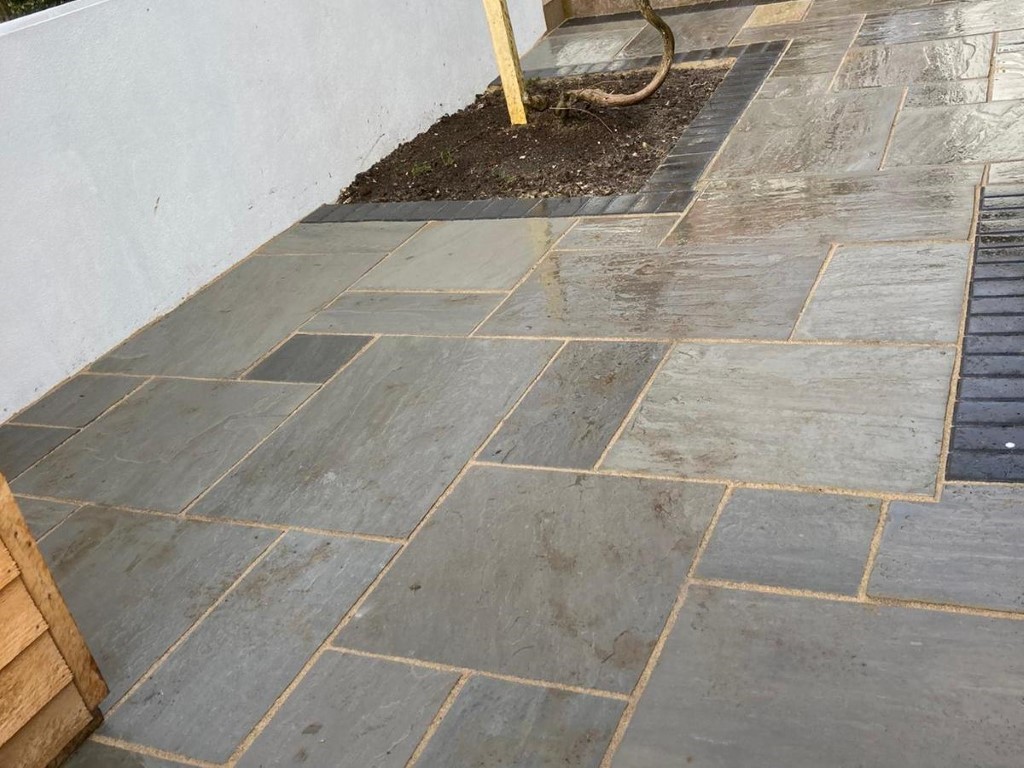
Portsmouth’s coastal location creates unique challenges for natural stone paving. Salt air, high humidity, and frequent rainfall demand careful stone selection and proper maintenance to ensure longevity.
The marine environment accelerates weathering processes that affect different stone types in varying ways. Understanding these impacts helps homeowners make informed choices for their outdoor surfaces.
How Coastal Conditions Affect Natural Stone
Salt spray penetrates porous stones, causing crystallisation damage over time. This process creates surface spalling and weakens the stone structure, particularly affecting softer materials like limestone and certain sandstones. Professional stone paving specialists recommend protective sealants to combat this issue.
High humidity levels maintain moisture within stone surfaces longer than inland areas. This extended dampness promotes algae growth and can accelerate freeze-thaw cycles during winter months.
Best Stone Types for Coastal Environments
Dense, low-porosity stones perform exceptionally well in Portsmouth’s coastal climate:
- Granite – excellent salt resistance and minimal water absorption
- Slate – naturally impervious surface repels moisture effectively
- Dense sandstones – Yorkshire stone varieties withstand marine conditions
- Quartzite – extremely hard surface resists chemical weathering
Stones Requiring Extra Care
Certain natural stones need additional protection in coastal locations:
- Limestone – susceptible to acid rain and salt damage
- Porous sandstones – require regular sealing
- Travertine – natural holes trap salt and moisture
- Softer slate varieties – may delaminate with salt exposure
Essential Maintenance for Coastal Stone
Regular washing removes salt deposits before they crystallise within the stone. Use fresh water and avoid pressure washing, which can drive salts deeper into porous surfaces. Proper drainage is also crucial to prevent water pooling on stone surfaces.
Apply breathable sealers annually to vulnerable stones. These products repel water whilst allowing moisture vapour to escape, preventing trapped moisture damage.
Prompt removal of organic matter prevents staining and reduces slip hazards. Coastal humidity accelerates decomposition, creating acidic conditions that etch stone surfaces.